


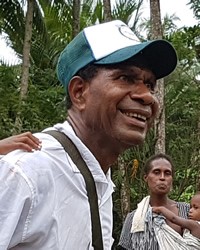

The Mbore in PNG are an indigenous people living in the Madang Province, particularly in the Bogia District near the Ramu River and surrounding lowland areas. Their communities are typically organized in small villages, where relationships to land and waterways have shaped their history and identity over many generations.
They are part of the broader cultural and linguistic mosaic of northern Papua New Guinea, a region known for its great diversity of languages and tightly connected local communities. The Mbore language belongs to the Ramu language family, specifically within the Lower Ramu grouping.
Historically, the Mbore have lived in relative geographic isolation, which has helped preserve their language and cultural patterns. At the same time, contact with neighboring groups, mission efforts, and broader national influences have gradually brought change to their way of life.
The daily life of the Mbore is closely tied to their natural environment. Rivers, gardens, and forest resources provide the foundation for survival and community life. Fishing, small-scale farming, and the processing of staple foods such as sago are common activities.
Villages are typically composed of extended family units, with strong kinship ties shaping leadership, responsibilities, and social expectations. Respect for elders and the passing down of knowledge through generations remain important features of their society.
The Mbore language is central to their identity and is used in everyday life. In wider settings, many people may also use regional trade languages to communicate with neighboring groups. Like many communities in Papua New Guinea, their culture includes oral traditions, storytelling, and communal gatherings that reinforce shared values and history.
The Mbore are identified primarily as Christian, and churches are present within their communities. The message of the gospel has taken root to a meaningful extent, and many people would identify themselves as followers of Jesus Christ. Many also put their faith in the spirit world. The New Testament has been translated into the Mbore language, making scripture accessible for teaching, worship, and personal growth.
There is a continuing need for deeper spiritual maturity among the Mbore. While Christianity is present, many would benefit from stronger biblical teaching and a clearer understanding of God's Word applied to daily life.Church leaders need encouragement and sound training so they can faithfully shepherd their communities and address both spiritual and practical challenges. Strengthening discipleship within families is also important so that faith is passed on clearly to the next generation.
As with many rural communities, the Mbore also face challenges related to education, economic development, and access to medical care.
Pray that the Mbore would grow in a deep and abiding faith in Jesus Christ, grounded in the truth of Scripture.
Pray for church leaders to be equipped with wisdom, humility, and faithfulness as they teach and lead.
Pray that the New Testament in their language would be widely read, clearly understood, and lived out in daily life.
Pray for families to be strengthened in biblical truth and for younger generations to follow Christ wholeheartedly.
Pray for unity among believers and a strong witness that reflects the transforming power of the gospel.
Scripture Prayers for the Mbore in Papua New Guinea.
| Profile Source: Joshua Project |


